How to Choose Pilates Equipment for Your Target Market
Choosing the right Pilates equipment is an important decision for distributors, importers and commercial buyers. The products you select will influence which customers you can serve, how you position your business and what purchasing opportunities you can develop.
However, not every market has the same requirements. A boutique Pilates studio may prioritize a different equipment setup from a rehabilitation clinic, gym or hotel wellness facility.
The best approach is to understand your target customers first, then select equipment that matches their actual needs.
This guide explains the key factors to consider before choosing Pilates equipment for your market.
1. Identify Your Target Customers
Before comparing products, identify the types of customers you want to serve.
Different businesses use Pilates equipment in different ways.
Pilates Studios
Boutique and group Pilates studios often need Reformers for regular classes. Depending on their services, they may also require Reformers with Towers, Pilates Chairs and other apparatus.
Physiotherapy and Rehabilitation Clinics
Clinics may require equipment suitable for individual sessions and specific exercise programs. Buyers should evaluate the equipment configuration and intended applications with their qualified practitioners.
Gyms and Fitness Clubs
Commercial fitness facilities may need equipment that fits their available floor space, operating schedules and member requirements.
Hotels, Resorts and Wellness Facilities
These buyers may place additional importance on equipment appearance, room layout and how the equipment fits their overall wellness environment.
Premium Home and Instructor Training Markets
Home buyers may prioritize available space and product configuration, while instructor training facilities may need a wider selection of Pilates apparatus for teaching and demonstrations.
Do not assume that all customers in one country have the same preferences.Your actual buyers, business model and local competition should guide your product decisions.
2. Understand What Your Customers Actually Need
After identifying your target customer groups, look at how they plan to use the equipment.
Ask yourself the following questions:
- Will the equipment be used for group classes or individual sessions?
- How frequently will the equipment be used?
- Do customers need basic Reformer functions or additional Tower configurations?
- Are they looking for complete studio equipment or individual machines?
- Do they have specific requirements for appearance, materials or customization?
For example, a studio offering Reformer-based group classes may prioritize several Reformer units, while a facility offering different types of Pilates training may require additional equipment categories.
The purpose is to match the equipment to the customer's actual services, rather than recommending products simply because they are available.
3. Consider Available Space and Installation Requirements
Available space is another important factor when selecting Pilates equipment.
Before recommending a product, understand the customer's installation environment.
Check:
- Available floor space.
- Ceiling height where relevant.
- Equipment dimensions.
- Space needed for mounting, adjustment and movement around the equipment.
- Delivery access, including doors, elevators and stairways.
- Whether the customer requires fixed or space-saving equipment.
For example, a compact studio may have different requirements from a large commercial training facility.
Always check the full equipment dimensions and installation conditions before confirming an order.
Do not calculate the required floor space using the machine dimensions alone. Customers also need sufficient space to operate the equipment safely.
4. Choose Equipment Based on Its Intended Application
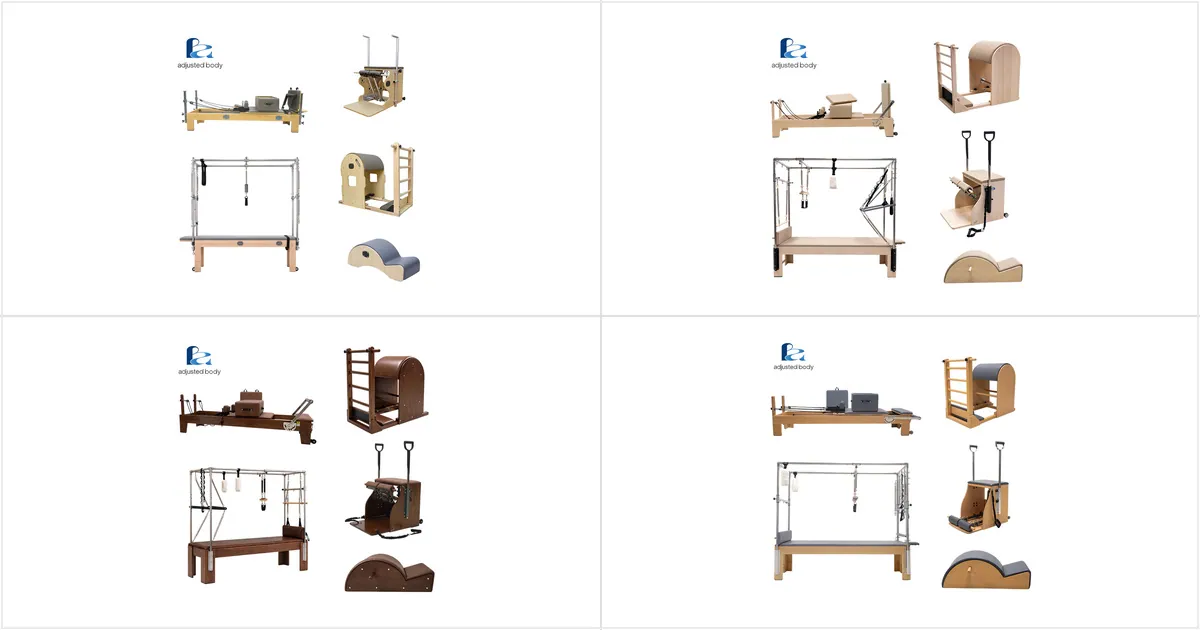
Pilates equipment includes several categories, each serving different training and business requirements.
Here are some common categories to consider:
Pilates Reformers
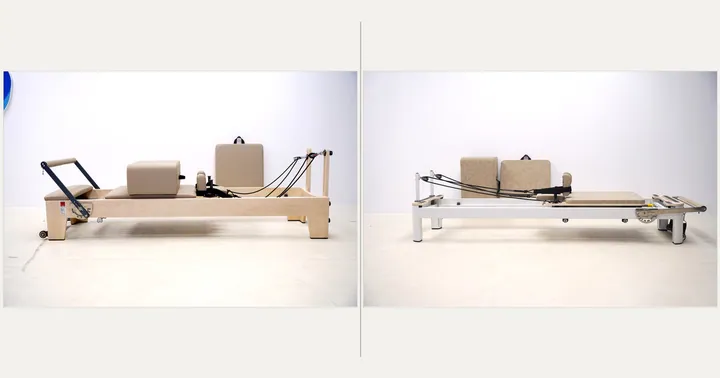
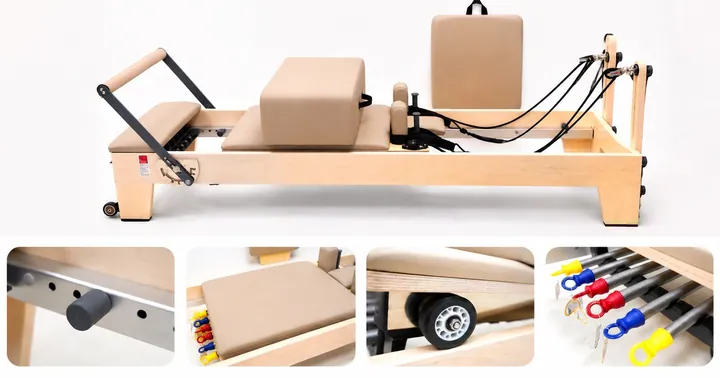
Reformers are a central category for many Pilates studios. They are suitable for businesses building a Reformer-based service offering.
Reformers with Tower
These models combine Reformer equipment with additional Tower functionality. They may suit studios that want more exercise options within their equipment setup.
Cadillac and Trapeze
These apparatus provide different exercise configurations and may be considered by studios, clinics and instructor training facilities.
Pilates Chairs
Pilates Chairs offer another equipment option for studios looking to provide varied training sessions.
Barrels and Spine Correctors
These categories can complement a studio's existing equipment and expand its available exercise options.
Accessories and Specialty Equipment
Additional accessories and specialty apparatus can help businesses address more specific customer requirements.
You can explore the [AdjustedBody Pilates Equipment Range](https://adjustedbodysupply.com/equipment/) to review the available product categories.
5. Evaluate Your Market Before Making Purchasing Decisions
Understanding your target market requires more than guessing which products might sell.
Before placing an order, take time to collect information from potential customers.
Here are four practical ways to do this:
Research Local Competitors
Visit the websites of Pilates studios, equipment retailers and fitness businesses in your target area.
Look at the equipment they offer, the services they promote and the types of customers they serve.
Talk to Potential Buyers
Speak with studio owners, gym managers, clinic operators or equipment retailers.
Ask what equipment they currently use, what they plan to purchase and what problems they experience with their existing suppliers.
Compare Customer Requirements
Record the equipment categories, preferred configurations, available budgets and expected purchasing quantities mentioned by potential customers.
Look for repeated requirements rather than relying on one customer's opinion.
Check Import and Delivery Requirements
If you are importing equipment, confirm applicable local import requirements, available product documentation, packaging details and shipping arrangements before ordering.
These steps help you make purchasing decisions based on real market information.
6. Check Product Specifications Before Choosing a Supplier
Once you understand what your customers need, compare the actual specifications of the products you are considering.
Important details include:
- Frame material and construction.
- Overall product dimensions and weight.
- Spring system and components.
- Track and wheel specifications.
- Upholstery and padding.
- Available accessories and configurations.
- Warranty and spare parts availability.
Two Pilates Reformers may look similar but have different specifications and configurations.
Ask your supplier for the relevant product information and confirm the exact model before requesting a quotation.
If you plan to sell under your own brand, also confirm which customization options are available and whether they affect the final product configuration.
7. Build Your Selection Around Real Customer Demand
You do not need to purchase every type of Pilates equipment when entering a new market.
Start by identifying the customers you can realistically reach and the equipment they are most likely to need.
For example:
- If your main customers are Reformer studios, investigate their Reformer requirements first.
- If you serve full-service Pilates studios, ask whether they also need Towers, Chairs and other apparatus.
- If your customers are clinics, discuss their intended applications and equipment requirements with the practitioners.
- If you supply hotels and wellness facilities, understand their space, appearance and project requirements.
Start with confirmed customer needs, then expand your product offering as you gain more market experience.
This helps reduce unnecessary purchasing decisions and keeps your business focused on actual demand.
Choose the Right Pilates Equipment with AdjustedBody
AdjustedBody supplies Pilates equipment for distributors, dealers, importers, resellers and commercial buyers.
Our product portfolio covers Pilates Reformers, Reformers with Tower, Cadillac and Trapeze equipment, Pilates Chairs, Barrels and Arcs, Spine Correctors, and Accessories and Specialty products.
We also provide a range planning process to help business partners identify relevant equipment categories, shortlist models and discuss customization requirements.
If you are developing a new Pilates equipment distribution business or expanding your existing product range, our team can help you review the available options.
Tell us about your target market, customer types, preferred equipment categories and estimated purchasing quantities.
We can review your requirements and provide a quotation based on the selected models and configurations.
[Explore the AdjustedBody Distributor Program](https://adjustedbodysupply.com/distributors/)
[Request a Wholesale Pilates Equipment Quote](https://adjustedbodysupply.com/wholesale/)
Choose equipment based on your customers, understand your market before purchasing and build your business around real demand.