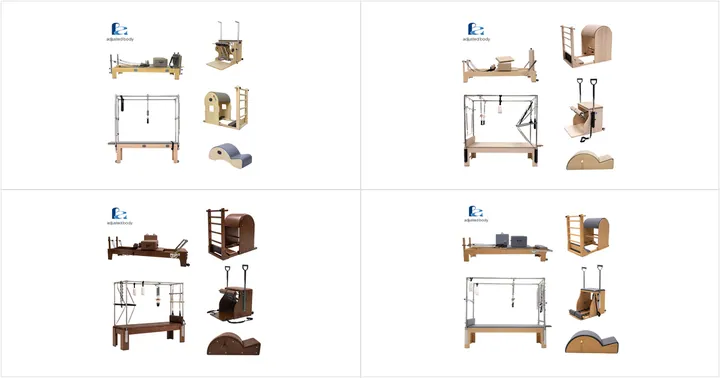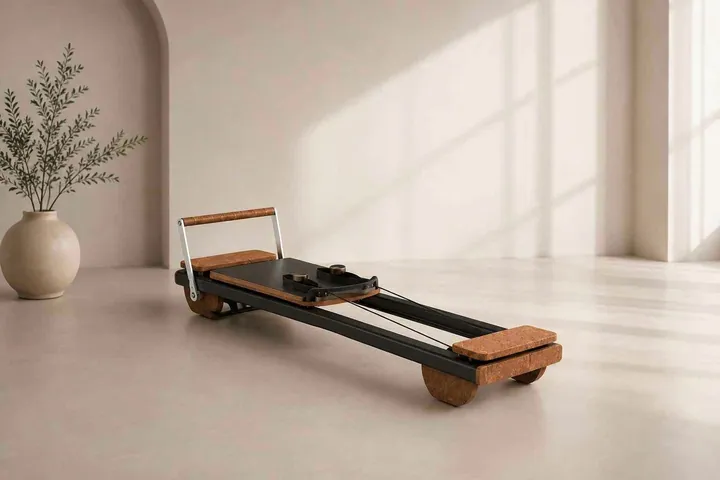
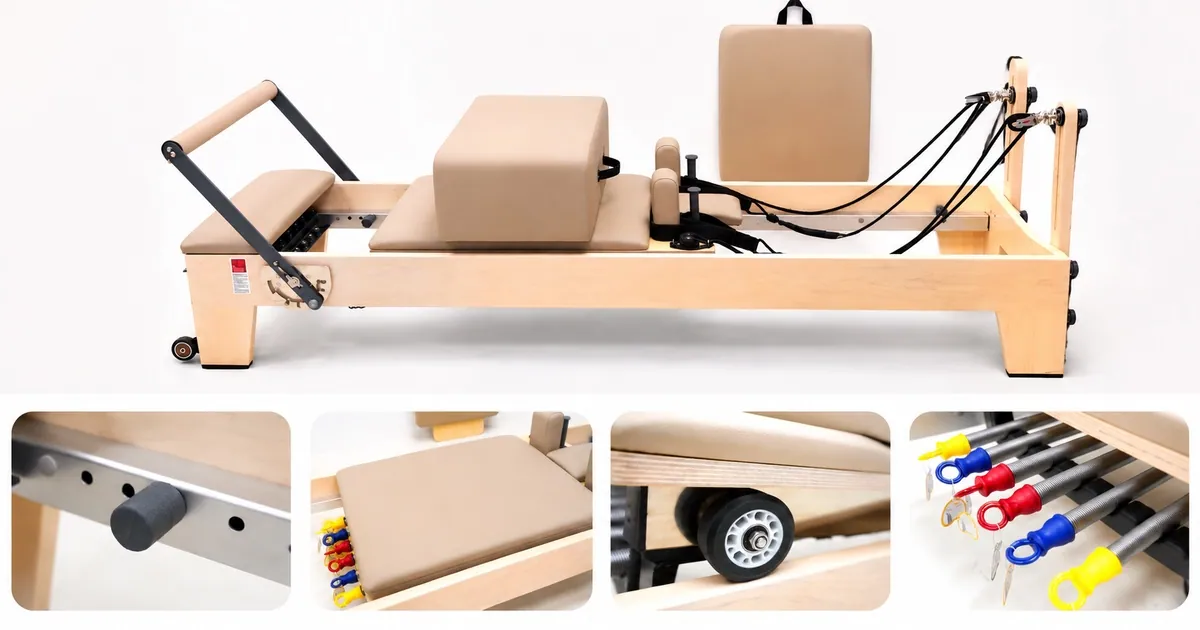
Choosing the right Pilates Reformer supplier is an important decision for distributors, studio owners, fitness equipment retailers and importers. A Reformer may look similar to another model in product photos, but differences in frame construction, spring systems, carriage movement and component quality can affect its performance and long-term use.
For businesses purchasing Pilates Reformers in bulk, the challenge is not simply finding a competitive price. It is identifying a supplier that can provide clearly specified products, consistent configurations and reliable product support.
This guide focuses on **how to evaluate Pilates Reformer products and their technical specifications** before purchasing. It will help you make a more informed decision when comparing manufacturers and wholesale suppliers.
1. Start with Your Intended Application
Before comparing suppliers, identify who will use the Reformers and where they will be installed.
Different applications may require different equipment configurations.
Professional Pilates Studios:Prioritize smooth carriage movement, adjustable resistance and suitability for regular studio use.
Gyms and Fitness Centers:Consider equipment construction, maintenance requirements and the needs of multiple users.
Physiotherapy and Rehabilitation Facilities:Evaluate adjustability, stability and the equipment specifications required for the intended professional use.
Hotels and Wellness Centers:Consider product appearance, frame materials, space requirements and overall equipment presentation.
Home Fitness Markets:Consider compact dimensions, storage requirements and ease of use.
Your target customers should determine which models you compare. A supplier should be able to provide suitable product specifications for each intended application.
2. Compare Frame Materials and Construction
The frame is one of the most important parts of a Pilates Reformer.
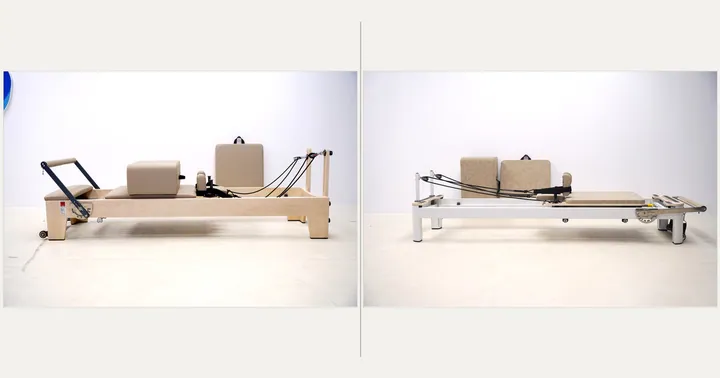
Common frame materials include solid wood and aluminum alloy. Each has different characteristics and may suit different market preferences.
Wooden Reformers
Wooden Reformers are commonly selected for studios and wellness facilities that prefer a traditional appearance.
When evaluating wooden models, ask about:
- Wood species and material origin.
- Frame thickness and structural design.
- Surface finishing and consistency.
- Joint construction and assembly.
- Available colors and finishes.
Aluminum Reformers
Aluminum Reformers offer a different appearance and structural configuration.
When comparing aluminum models, check:
- Aluminum alloy specifications.
- Frame thickness and construction.
- Rail design and alignment.
- Surface finishing.
- Stability during normal operation.
Do not assume that wood is automatically better than aluminum, or that a thicker frame always means a better machine.
The correct choice depends on the actual construction, intended application and verified specifications.
3. Inspect the Carriage, Rails and Wheel System
The carriage is the moving platform that supports the user during Reformer exercises.
Its movement is central to the equipment's operation.
When evaluating a Pilates Reformer, pay attention to the following:
Carriage Movement
The carriage should move smoothly along the rails without unusual grinding, sticking or excessive side-to-side movement.
Rail Construction
Ask whether the Reformer uses aluminum inner tracks, stainless steel tracks or another configuration. Confirm the material and thickness for the specific model.
Wheels and Pulleys
Check the wheel materials, construction and compatibility with the rail system. During a demonstration, observe whether the carriage moves consistently throughout its travel.
Noise and Stability
Listen for unusual noise and check whether the frame remains stable during normal operation.
Do not rely only on product descriptions such as smooth, silent or professional grade. Request a product demonstration or sample evaluation whenever practical.
4. Evaluate the Spring System and Footbar
The spring system controls resistance during Reformer exercises.
Different models may use different spring materials, configurations and resistance options.
Before purchasing, ask the supplier:
- What type of springs are used?
- What is the spring configuration for this model?
- Are different resistance options available?
- Are replacement springs available?
- How are the springs attached and maintained?
The footbar is another important component.
Check its material, adjustment positions, locking mechanism and compatibility with the intended users.
Spring specifications and footbar configurations should be documented for the exact model and series, rather than described using general marketing terms.
5. Check Upholstery, Padding and User Contact Areas
Upholstery and padding influence the equipment's appearance, maintenance and user experience.
When comparing models, consider:
- Upholstery material and thickness.
- Padding material and construction.
- Stitching and surface finishing.
- Resistance to regular cleaning.
- Available upholstery colors.
- Replacement and maintenance arrangements.
For distributors, consistent upholstery quality and the availability of replacement components can also affect long-term customer satisfaction.
Ask the supplier for material specifications and available customization options before confirming your order.
6. Request Detailed Product Specifications
A professional supplier should be able to provide product-specific information rather than relying only on general catalog descriptions.
Your comparison sheet should include:
- Product model and SKU.
- Frame material and thickness.
- Overall dimensions.
- Net weight.
- Spring system.
- Footbar configuration.
- Carriage and rail construction.
- Wheel and pulley system.
- Upholstery and padding.
- Maximum user weight, where specified.
- Available accessories and customization.
- Package dimensions and gross weight.
Some specifications may vary between models or configurations.
For example, the AdjustedBody Maple Series offers Advanced and Standard configurations with differences in springs, wheels, footbar, upholstery and warranty.
Always compare the exact configuration you intend to purchase.
You can use the [AdjustedBody Series Comparison Tool](https://adjustedbodysupply.com/resources/product-comparison/) to review the published configurations across different product series.
7. Evaluate Product Quality Before Bulk Purchasing
Before placing a large order, consider evaluating a sample or requesting a detailed product demonstration.
During the evaluation, check:
1. Whether the frame and components match the confirmed specifications.
2. Whether the carriage moves smoothly.
3. Whether the spring connections and footbar operate correctly.
4. Whether the upholstery and finishing meet your expectations.
5. Whether the equipment remains stable during normal use.
6. Whether the supplied accessories match the product description.
For larger orders, discuss inspection arrangements and acceptance criteria before production begins.
You should also confirm how product specifications are checked during manufacturing and how any identified defects or discrepancies will be handled.
8. Confirm Packaging, Warranty and Spare Parts
A good purchasing decision considers the entire ownership process, not just the equipment itself.
Before confirming an order, request information about:
Packaging:Confirm the packaging method, dimensions and gross weight for each model.
Shipping:Check the proposed shipping arrangement and estimated delivery schedule.
Warranty:Review the warranty period, coverage and exclusions for the exact product configuration.
Spare Parts:Ask which replacement components are available and how future parts orders are handled.
After-Sales Support:Confirm the responsibilities of the supplier and distributor when customers require technical assistance.
These details should be included in the written quotation or relevant commercial agreement.
9. Compare Suppliers Before Making Your Final Decision
Once you have collected product specifications and quotations, compare suppliers using the same evaluation criteria.
Do not compare one supplier's Advanced configuration with another supplier's Standard configuration based only on the final price.
A practical comparison should include:
- Product construction and specifications.
- Carriage and spring performance.
- Material and finishing quality.
- Documentation availability.
- Packaging and shipping arrangements.
- Warranty and spare parts.
- Total landed cost.
For a broader review of supplier selection, including product range, documentation, customization and long-term business cooperation, read our guide:
[How to Choose a Pilates Equipment Supplier for Distribution](https://adjustedbodysupply.com/insights/how-to-choose-a-pilates-equipment-supplier-for-distribution/)
Explore Pilates Reformers for Your Business with AdjustedBody
AdjustedBody supplies Pilates Reformers for distributors, dealers, importers and private label brands.
Our Reformer range includes wooden and aluminum models across different product series and configurations.
The official product catalog provides specifications covering frame materials, springs, wheels, tracks, footbars, upholstery and other components.
We also provide product comparison resources to help business partners review different configurations and identify suitable models for their markets.
Explore our [Pilates Reformer Product Range](https://adjustedbodysupply.com/equipment/pilates-reformers/) to review available models.
Planning a wholesale order or distributor product range?
Send us your target market, preferred models and estimated quantities. Our team can review your requirements and provide a written quotation covering the agreed product specifications, customization, packaging and commercial terms.
[Request a Pilates Reformer Bulk Quote](https://adjustedbodysupply.com/bulk-quote/)
Choose your equipment based on verified specifications, practical evaluation and a clear understanding of your customers' needs.