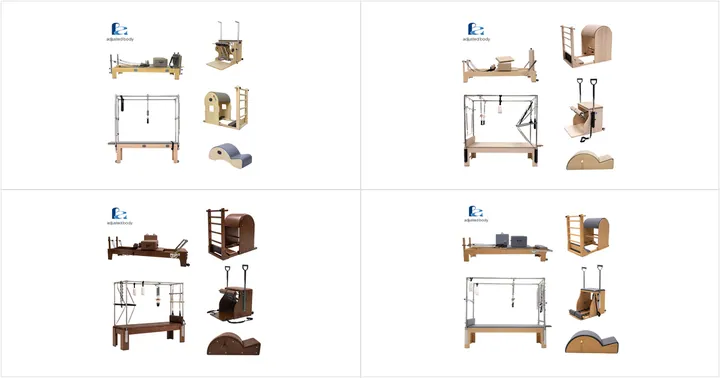
A good product range makes selling easier: each customer finds a clear option, your team can explain the differences, and your stock turns. A weak range does the opposite — too many similar models, gaps at important price points and slow-moving stock. This guide shows a simple way to plan a Pilates equipment range for a new or growing distribution business.
Start with segments, not products
List the customers you actually sell to, and what each one values:
- Boutique and group studios — consistent machines for classes, towers for variety, a premium look.
- Clinics and physiotherapists — Cadillacs, towers, spine correctors and reformers suited to one-to-one work.
- Gyms and fitness clubs — durable, easy-to-clean models for high-use areas.
- Hotels, resorts and wellness — equipment that fits premium interiors.
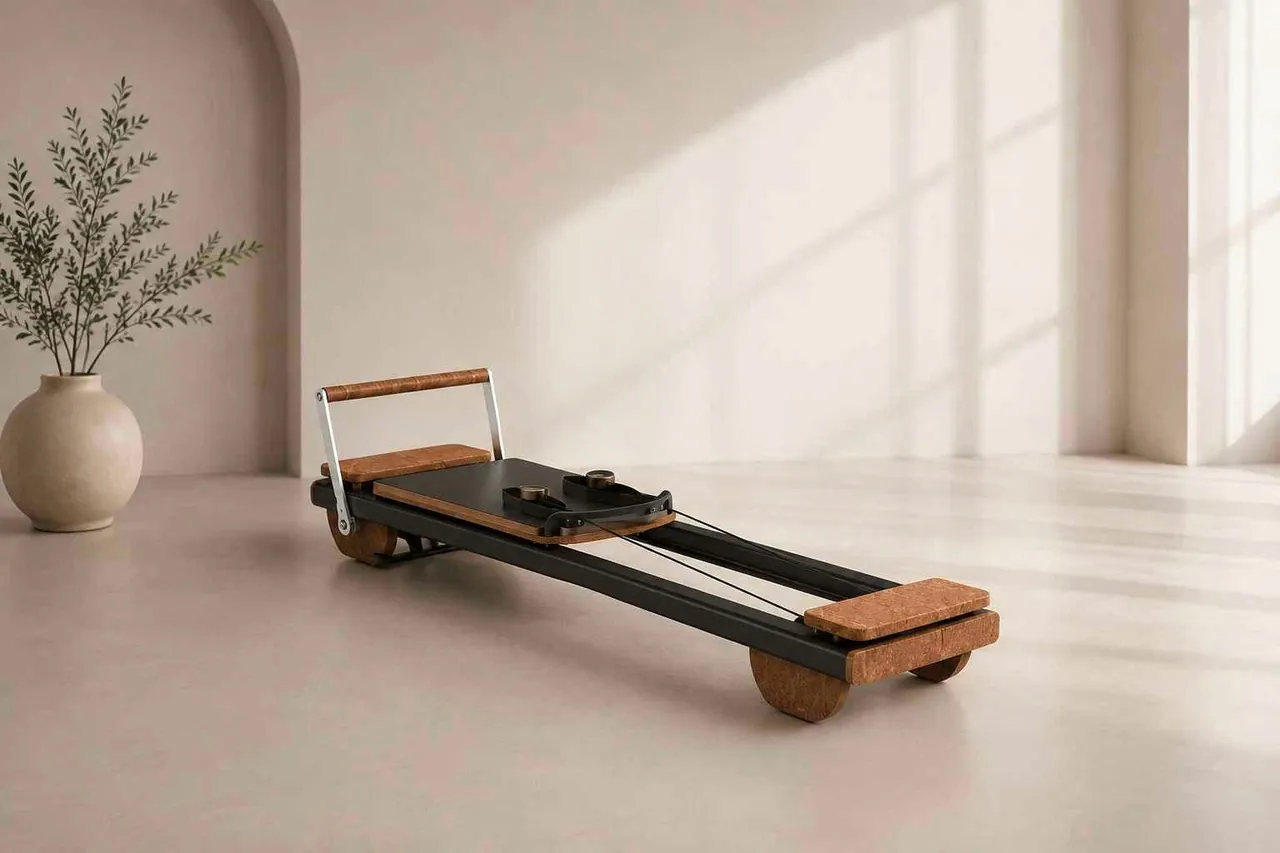
- Home users — foldable or compact models.
For each segment, note the budget level and the two or three things buyers ask about most.
Cover the core categories
Most studio and clinic projects include a mix of categories. A complete range usually covers:
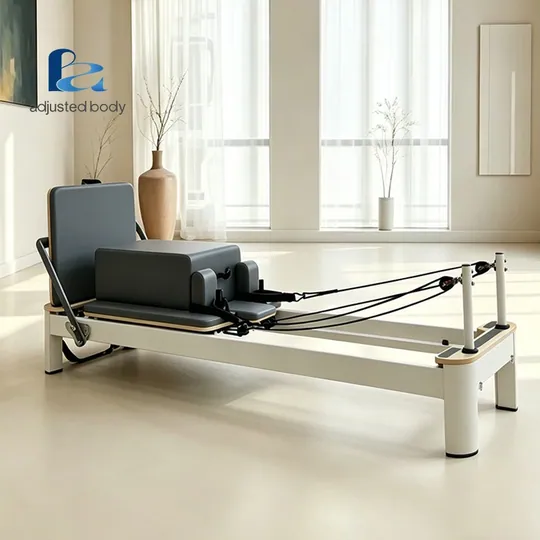
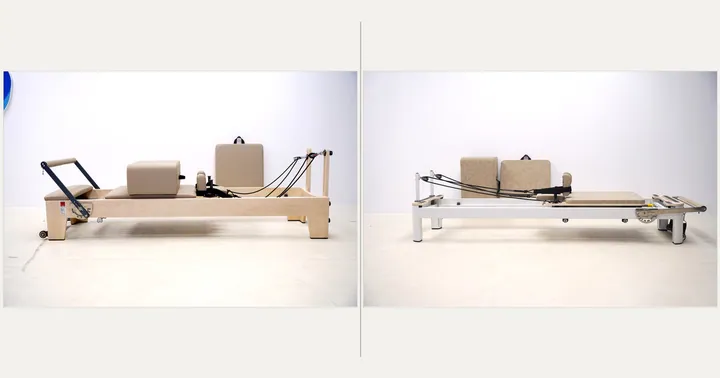
- Pilates reformers (the volume driver)
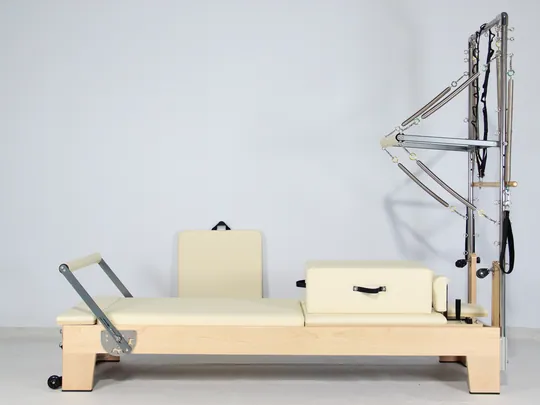
- Reformers with a half or full tower
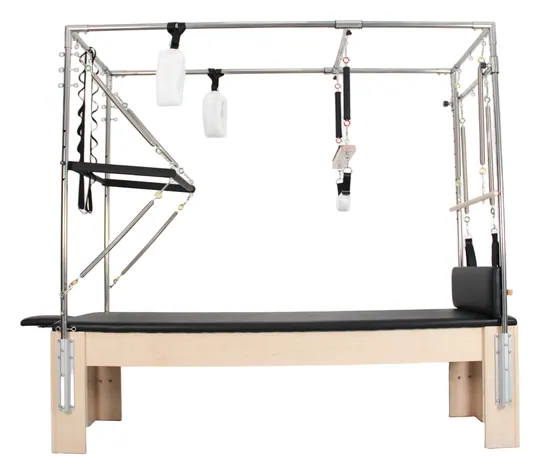
- Cadillac and trapeze tables or wall towers
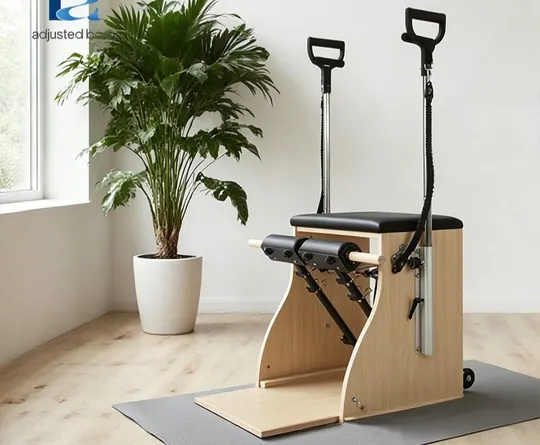
- Chairs
- Barrels and spine correctors
- Accessories and specialty units
You do not need every model on day one. You do need an answer when a studio asks for a complete room.
Use good-better-best tiers
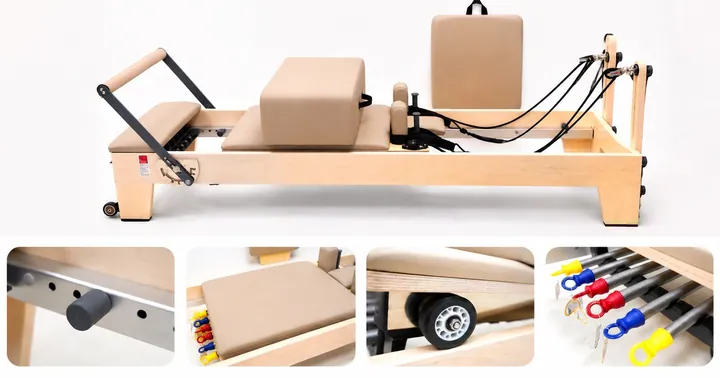
Tiers let you quote different budgets without changing supplier. Frame material and component choices are the clearest way to separate tiers. In the AdjustedBody catalog, for example, Advanced series use imported piano wire springs, Japanese super-silent wheels and microfiber leather, while Standard series use domestic piano wire springs and PU leather. Frames range from thickened aluminum to North American maple and beech, oak and red oak.
A practical structure is one entry model, one core commercial model and one premium model per key category — and a clear, written reason for each price step.
Size your launch stock
- Pick the few models that you expect to sell most — usually a core reformer and a reformer with tower.
- Add display or demo units for the categories you will show but not stock in depth.
- Agree the quantities, packaging and lead time in a written quotation.
- Review after the first sales cycle and adjust.
When to add private label
Private label works best once you know which models sell. Many distributors start with catalog models and introduce their own brand on the proven ones. Confirm which options are available — the AdjustedBody catalog lists custom logo, custom leather color, a silicone leather upgrade and aluminum track thickness options — and how each affects price.
Plan your range with us
Our range planner lets you describe your market, choose categories and shortlist models, then send everything as one request. You can also compare the ten series first.