Selling Pilates equipment under your own brand lets you own the customer relationship, build recognition in your market and differentiate from resellers of the same products. It also adds decisions that a standard order does not have. This guide walks through them in the order you will face them.
1. Decide what your brand stands for
Before choosing options, write one sentence about your brand: who it serves and why they should choose it. “Durable reformers for busy group studios” leads to different choices than “premium wood equipment for boutique and hospitality spaces”. That sentence guides every decision below.
2. Choose proven base models
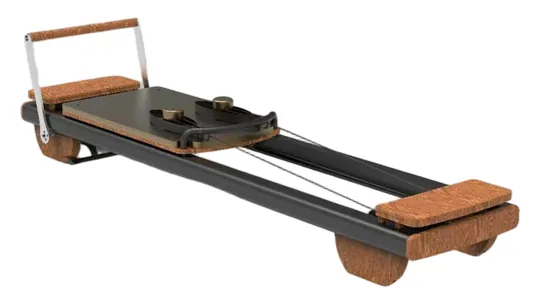
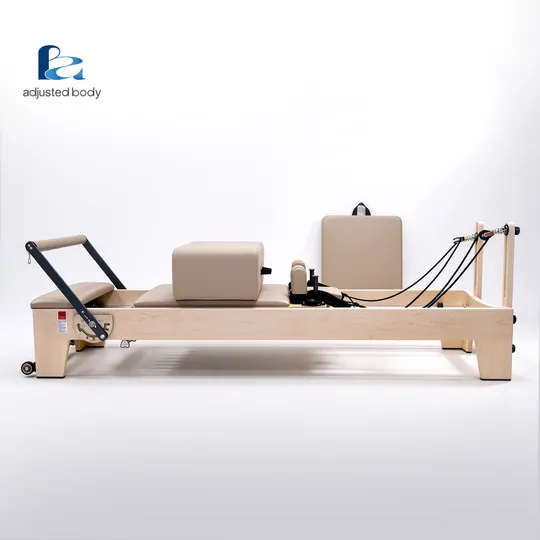
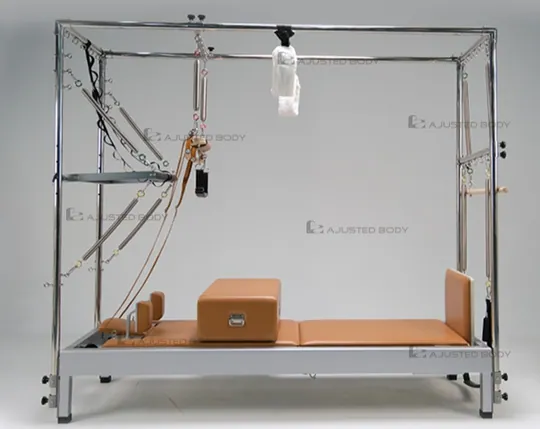
Private label is fastest and safest on existing models with published configurations. Pick base models that match your positioning — aluminum for durability and easy cleaning, wood for a warmer premium look, towers for studios that want variety — and start with a small number.
3. Know which options are really available
Ask for a list of options the manufacturer offers, not a promise that “everything can be customized”. The AdjustedBody catalog lists these options:
- Custom logo
- Custom leather (upholstery) color
- A silicone leather upgrade
- Aluminum track thickness: 2.0 mm standard, 2.5 mm or 3.0 mm
- Frame wood (beech or maple) and rail material (stainless steel or aluminum), which change the price
Anything outside such a list should be treated as a separate request and confirmed before you promise it to customers.
4. Put every detail in writing
Most private label problems come from assumptions. Agree and approve in writing:
- Logo artwork, size, position and method
- Upholstery color references
- Materials and any upgrades
- Packaging and labeling
- Order requirements, charges and lead time
5. Plan documents and warranty
Your customers will ask about certificates, manuals and warranty. Confirm which documents are available for your base models, and how warranty and spare parts work under your brand. For reference, the AdjustedBody catalog states 3 years on high-end (Advanced) versions and 1 year on standard versions.
6. Start focused, then expand
A focused launch — one or two reformers and a tower model under your brand — is easier to market and stock than a full private label range. Add models once you know what sells.
Next step
See the options and process on our private label & OEM page, or send a private label inquiry with your brand and target market.