Starting a Pilates equipment distribution business requires more than finding a manufacturer and placing an order. You need to understand your target market, choose the right business model, build a suitable product range and establish a reliable supply relationship.
Whether you are an existing fitness equipment dealer, an importer, a wholesaler or a business owner entering the Pilates industry, a clear distribution plan can help you reduce purchasing risks and build a sustainable business.
In this guide, we explain how to become a Pilates equipment distributor, what you should prepare before approaching a supplier and how to develop your distribution business step by step.
1. Choose Your Pilates Equipment Distribution Business Model
Before contacting a manufacturer, decide how you plan to sell Pilates equipment.
Common distribution models include:
National Distributor:Supplies equipment across an entire country through a sales team, dealer network or showroom.
Regional Dealer:Focuses on a specific state, province, city or local market.
Wholesale Importer:Imports equipment and supplies local retailers, studios and commercial buyers.
Online Reseller:Sells Pilates equipment through an independent website or established online sales channels.
Private Label Brand:Develops an independent brand using products manufactured by an external production partner.
Your business model will influence your initial investment, product selection, inventory requirements and sales strategy.
If you already operate a fitness equipment business, adding Pilates equipment to your existing product portfolio may be a practical starting point.
2. Research Your Target Market
A successful Pilates equipment distributor needs to understand its potential customers.
Start by identifying the customer groups you want to serve:
Pilates studios and boutique fitness studios.
Gyms and health clubs.
Physiotherapy and rehabilitation clinics.
Hotels and wellness centers.
Fitness equipment retailers.
Commercial fitness project buyers.
Next, research your target country or region.
Consider which Pilates equipment brands are already available, what products local businesses purchase, how competitors position their products and what delivery and after-sales services customers expect.
You should also identify your existing advantages. For example, an established fitness equipment dealer may already have customer relationships, sales channels and local service capabilities.
Rather than targeting every customer segment immediately, focus on the markets where you have the strongest business opportunities.
3. Select the Right Product Categories
Your product range should match your target customers and market positioning.
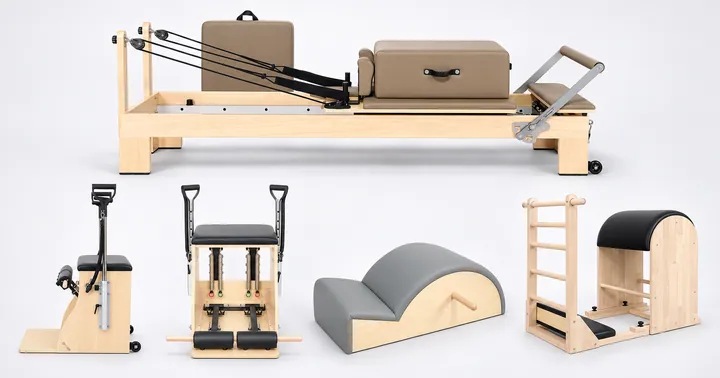
A professional Pilates equipment portfolio can include:
Pilates Reformers
Reformers with Tower
Cadillac & Trapeze
Pilates Chairs
Barrels & Arcs
Spine Correctors
Accessories & Specialty Equipment
You do not need to purchase every available model when starting your distribution business.
Instead, identify the categories your customers are most likely to need. Consider whether you will maintain demonstration units, hold local inventory or arrange orders according to customer requirements.
Pay attention to product specifications, materials, configurations, dimensions, packaging and available customization options.
You can review the [AdjustedBody Pilates Equipment Range](https://adjustedbodysupply.com/equipment/) to explore the available equipment categories and models.
4. Calculate Your Initial Investment and Operating Costs
Before placing your first order, prepare a basic financial plan.
Your total investment may include:
Initial product purchases.
International shipping and insurance.
Import duties and customs clearance.
- Local transportation and warehousing.
Website development and marketing.
Sales and customer acquisition expenses.
Demonstration equipment and showroom costs.
After-sales service and spare parts.
Calculate your landed cost rather than considering the manufacturer's product price alone.
Landed Cost = Product Cost + Freight + Insurance + Import Charges + Local Handling Costs**
Then estimate your expected selling price, gross profit and operating expenses.
Request a written quotation based on specific product models, quantities and destination details before making purchasing decisions.
5. Find a Reliable Pilates Equipment Supply Partner
Your supplier is an important part of your distribution business.
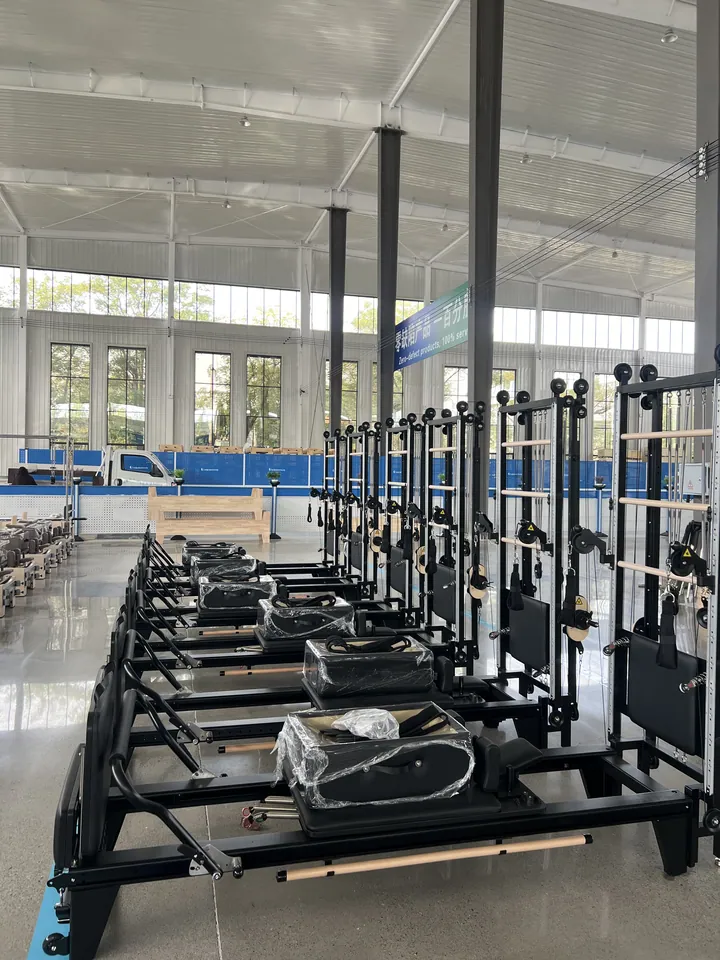
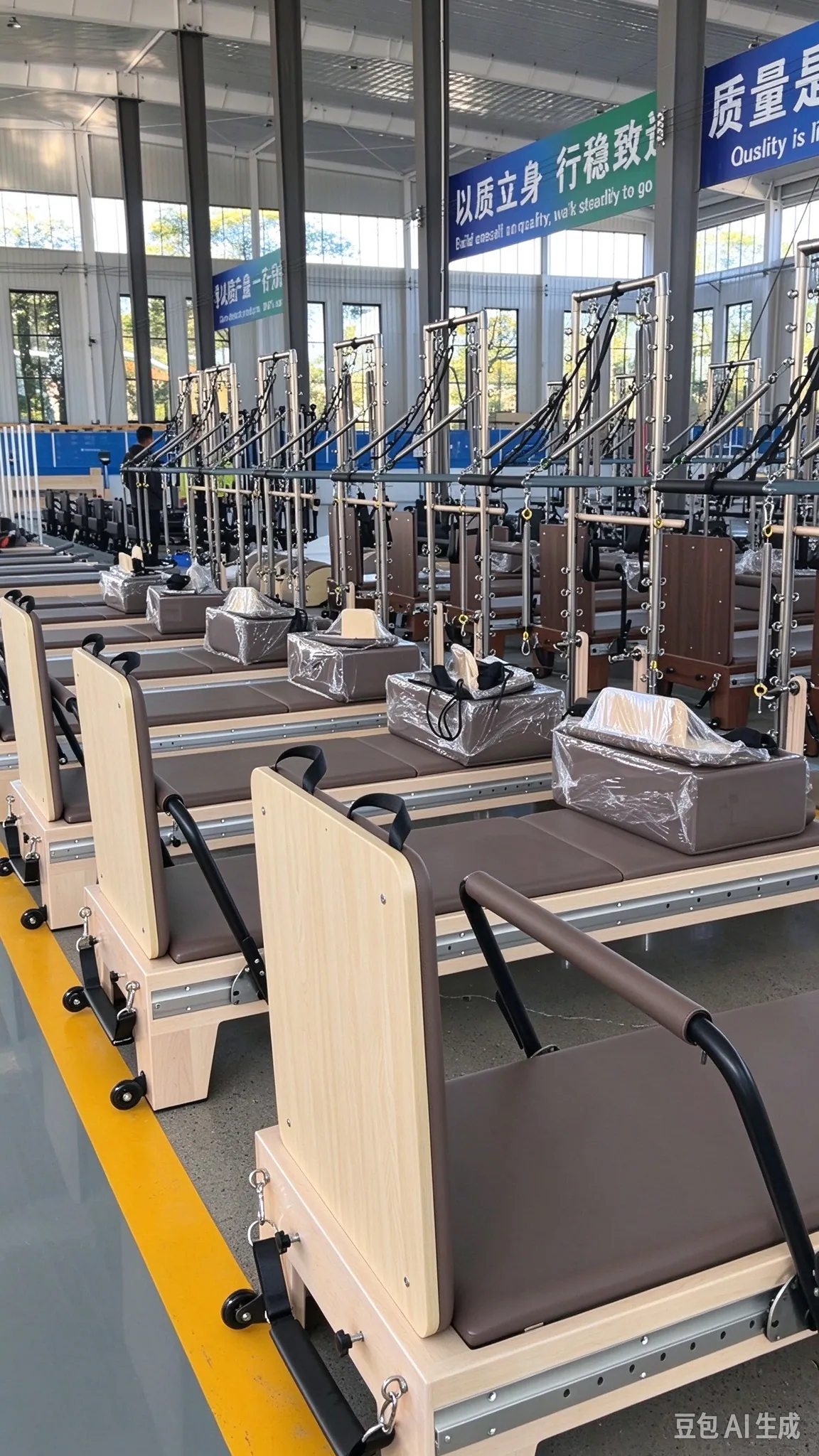
Before entering a partnership, understand the supplier's product portfolio, available documentation, manufacturing arrangements, customization options and ordering process.
You should also clarify how product specifications are confirmed, how packaging requirements are handled and how warranty and after-sales responsibilities are agreed.
For a new distributor, having access to multiple equipment categories from one supply partner may also make it easier to develop a coordinated product portfolio.
Explore the [AdjustedBody Distributor and Dealer Program](https://adjustedbodysupply.com/distributors/) to understand its product range, partnership structure, documentation and ordering process.
6. Prepare Your Distributor Application
When approaching a manufacturer, prepare basic information about your company and business plan.
A distributor application commonly includes:
Company name and business background.
Country and target sales territory.
Current business activities.
Existing brands and product categories.
Sales channels and customer groups.
Relevant fitness or Pilates industry experience.
Equipment categories you are interested in.
Estimated purchasing plans.
Private label or customization requirements, if applicable.
You do not need to have every detail finalized before making an initial inquiry. However, having a clear business plan helps the supplier understand your objectives and evaluate potential cooperation.
If you intend to develop a particular country, region or city, you can also explore the [AdjustedBody Regional Partnership Program](https://adjustedbodysupply.com/regional-partners/).
7. Confirm Territory and Commercial Terms
Before placing an order, make sure all important commercial conditions are discussed and confirmed in writing.
These may include:
Product models and specifications.
- Order quantities and minimum order requirements.
Product pricing and payment terms.
Packaging and shipping arrangements.
Production lead time.
Warranty coverage.
Spare parts and after-sales responsibilities.
Territory and distribution arrangements.
Exclusive distribution should never be assumed. Territory arrangements depend on the supplier's approval and the proposed business plan. Any exclusive agreement should be confirmed in a signed agreement.
Clear written terms help both parties establish realistic expectations and avoid misunderstandings.
8. Develop Your Sales Channels and Grow Your Business
Once your product range and supply arrangements are confirmed, focus on building your customer base.
Consider using several sales channels:
Your Own Website:Present product information, specifications, business details and inquiry options through a professional B2B website.
Direct B2B Sales:Contact Pilates studio owners, gym operators, fitness equipment retailers and commercial buyers.
Showroom and Demonstrations:If practical, allow potential customers to evaluate selected equipment before purchasing.
Professional Networking:Use LinkedIn, industry events and local business networks to develop business relationships.
Content Marketing:Publish useful guides about Pilates equipment selection, product comparisons, studio planning and equipment maintenance.
Track customer inquiries, quotations, orders and repeat purchases. Use actual sales information to improve your product range and business strategy over time.
Start Your Pilates Equipment Distribution Business with AdjustedBody
AdjustedBody works with distributors, dealers, importers, regional partners and private label brands looking to develop Pilates equipment businesses in their markets.
Our product portfolio covers reformers, reformers with towers, Cadillac and trapeze systems, Pilates chairs, barrels, spine correctors and accessories.
Our distributor cooperation process includes:
1. Application:Submit your company, business and target market information.
2. Review:Our partnerships team reviews your application.
3. Range Planning:Discuss suitable equipment categories, models and potential samples or evaluation arrangements.
4. Quotation:Receive a written quotation covering agreed specifications, customization, packaging, lead time and commercial terms.
Order requirements, pricing and territory arrangements are reviewed individually. Exclusive distribution is subject to approval and a signed agreement.
If you are ready to explore a Pilates equipment distribution opportunity, we invite you to introduce your business and target market.
[Apply to Become an AdjustedBody Distributor](https://adjustedbodysupply.com/distributors/apply/)
Build your product range with a supply partner that understands the needs of Pilates equipment distributors.